Sedimentary Rocks
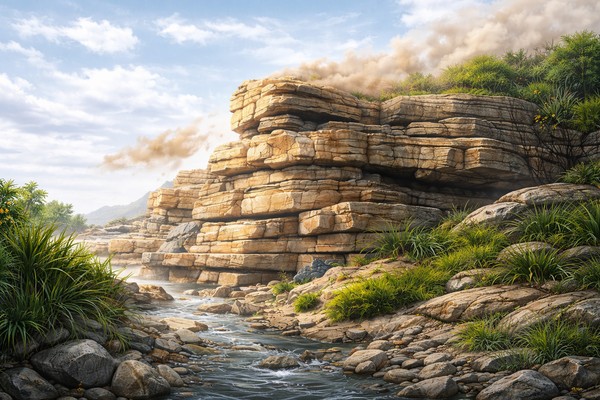
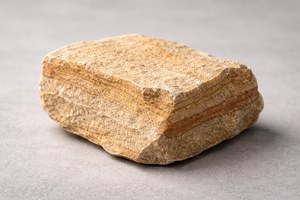
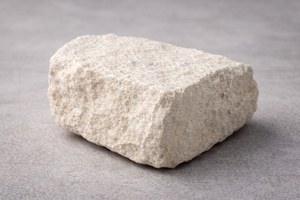
Sedimentary rocks are like nature's scrapbook. They're made from tiny pieces of other rocks, sand, mud, shells, and even dead plants and animals that pile up in layers over millions of years. The weight of new layers pressing down turns the loose material into solid rock. That's why you can often see stripes or layers in sedimentary rocks!
Because they form at the Earth's surface, sedimentary rocks are the most likely to contain fossils — the preserved remains of ancient life.
Magmatic (Igneous) Rocks
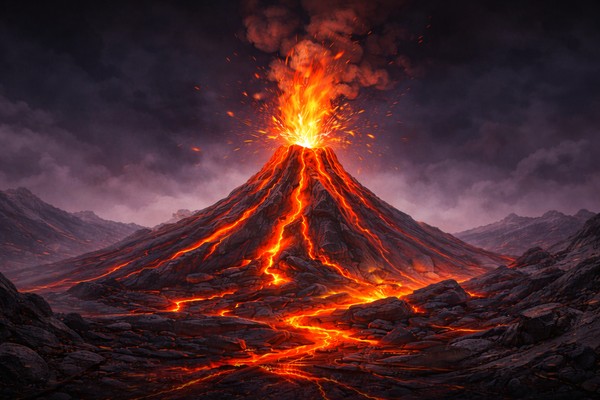
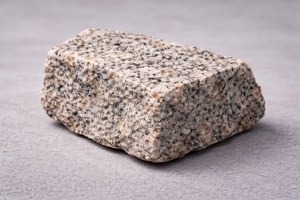
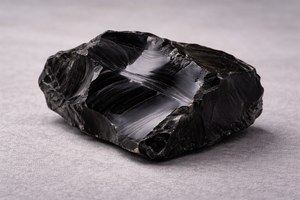
Magmatic rocks are born from fire! Deep underground, rocks get so hot they melt into a thick liquid called magma. When this magma cools down, it hardens into rock. If it cools slowly underground, it forms big crystals you can see (like granite). If it erupts from a volcano and cools fast, the crystals are tiny or invisible (like obsidian).
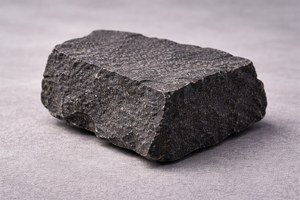
Metamorphic Rocks
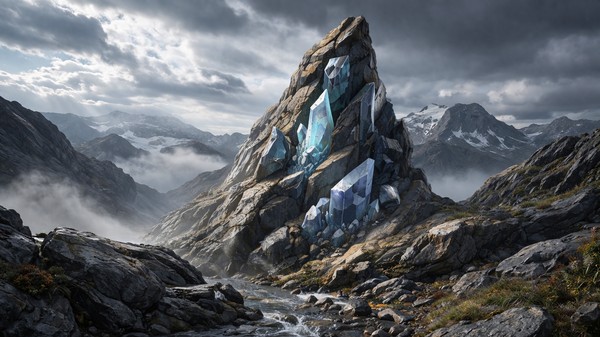
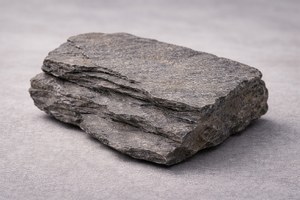
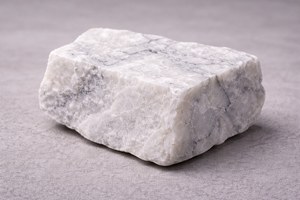
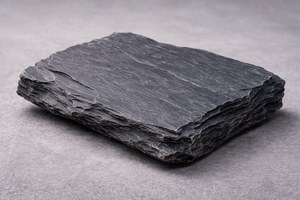
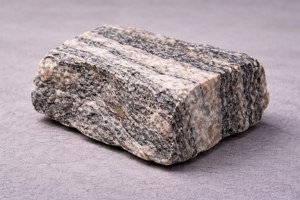
Metamorphic means "changed form." These rocks started as something else — sedimentary, magmatic, or even other metamorphic rocks — but were transformed by extreme heat and pressure deep in the Earth. It's like putting Play-Doh in a press: the shape and texture change completely, but the material is still there.
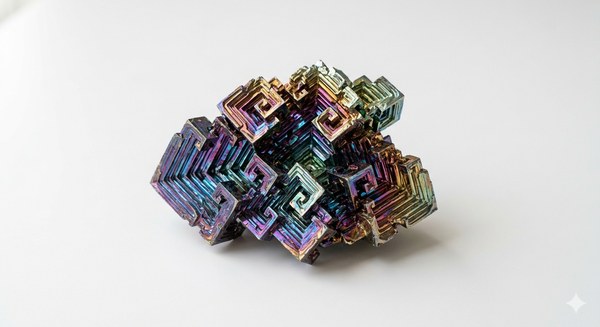
Bismuth — The Rainbow Crystal
Bismuth crystals form when molten bismuth cools slowly — just like magmatic rocks! Their stunning staircase shape and rainbow colors make them one of the most beautiful crystals in nature. The iridescent colors come from a thin layer of oxide on the surface.
You can find a bismuth crystal in our collection!
Did you know?
Rocks are always changing! Over millions of years, one type of rock can turn into another through the "rock cycle." A sedimentary rock can be pushed deep underground and become metamorphic, then melt and become magmatic. It never stops!