Crystal Corner

The magic of crystals

Crystals are minerals with atoms arranged in perfect patterns. They can take millions of years to grow — and they're absolutely beautiful.

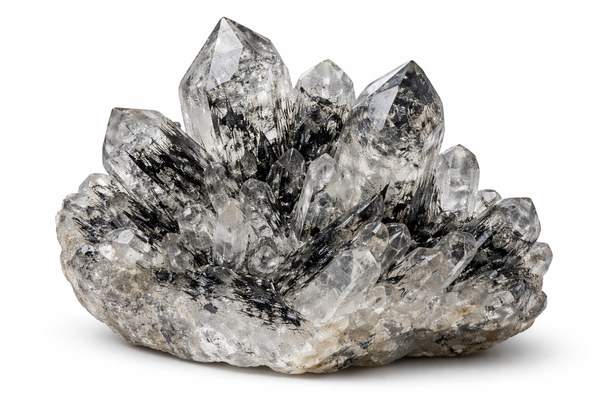
Quartz crystal
Quartz
The most common mineral on Earth — clear and beautiful
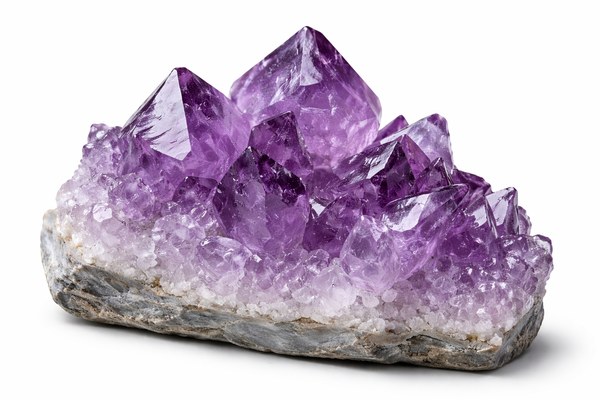
Amethyst crystal
Amethyst
Purple quartz used as a gemstone since ancient times
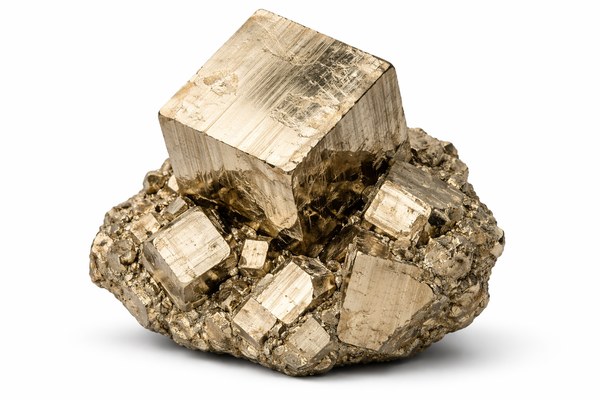
Pyrite crystal
Pyrite "Fool's Gold"
Shiny golden mineral that tricks people into thinking it's real gold!
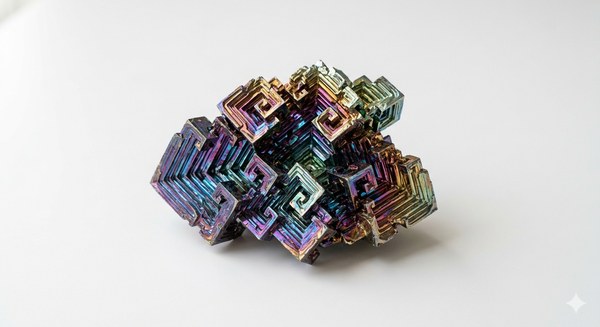
Bismuth crystal
Bismuth
Rainbow staircase crystals that form from cooling molten metal!
Learn more
Crystal profiles
Deep dives into our favourite crystals.
Quartz poli

Quartz

Quartz is the second most common mineral in the Earth's crust. It comes in many colours: clear (rock crystal), pink (rose quartz), smoky grey, and even yellow (citrine). It's so hard that it can scratch glass!

Quartz is used in watches and electronics because it vibrates at a very precise frequency when electricity passes through it.

Hardness: 7 out of 10 on the Mohs scale

Amethyst

Amethyst is a purple variety of quartz. Its colour comes from tiny amounts of iron and natural radiation inside the Earth. The deeper the purple, the more valuable it is!

In ancient times, people believed amethyst could protect them. The name comes from the Greek word "amethystos" meaning "not drunk" — they thought it prevented drunkenness!

Found in: Brazil, Uruguay, Zambia
Améthyste
Pyrite polie

Pyrite — "Fool's Gold"

Pyrite gets its nickname because gold miners used to confuse it with real gold! While it's not worth as much as gold, pyrite is still fascinating. It forms perfect cube-shaped crystals that look almost too geometric to be natural.

Pyrite is actually an iron sulfide. When you strike it against steel, it creates sparks — that's how people used to start fires thousands of years ago!

Chemical formula: FeS2

Bismuth — The Rainbow Crystal

Bismuth crystals are famous for their stunning staircase shape and iridescent rainbow colours. The colours come from a thin layer of oxide that forms on the surface as the crystal cools — different thicknesses create different colours, just like a soap bubble!

Bismuth is actually a metal, and you can grow your own crystals by melting it and letting it cool slowly. It's one of the most beautiful examples of crystallization in nature.

Melting point: 271°C — low enough to melt on a stove!
Bismuth crystal

Did you know?

The largest quartz crystal ever found was in Brazil — it weighed over 44 tonnes! That's heavier than a school bus. Crystals can grow for millions of years inside caves and rock pockets deep underground.